
Sun damage doesn’t always show up as one obvious spot. Sometimes it’s a complexion that looks less even than it used to, fine lines that seem more noticeable, or texture that no longer feels quite as smooth. Laser treatments can address these concerns at different levels.
Moxi offers a gentler fractional treatment for early changes and ongoing maintenance, while Halo combines ablative and non-ablative wavelengths for more comprehensive resurfacing. Choosing between them isn’t simply about picking the more powerful laser. Your skin concerns, desired correction, experience with treatments, and tolerance for recovery all matter.
Continue reading to see how Moxi and Halo laser resurfacing differ and which approach may make more sense for where your skin is today.
Moxi or Halo? What Should Guide Your Choice
Both technologies can address signs of sun exposure and aging, but they aren’t designed to create the exact same treatment experience. Looking at the following factors can help make the differences much clearer.
1. Start With How Much Correction You Need
The first question isn’t which laser has the better reputation. It’s how much change you’re actually trying to create. Moxi is designed as a gentler fractional laser treatment. It distributes microscopic deposits of laser energy across the skin without creating open wounds.
At The Medical Skin Clinic, it’s used for concerns including uneven texture, fine lines, aging, sun damage, and preventative care. That makes Moxi particularly interesting when changes are relatively early or when the patient wants to maintain skin quality rather than address more advanced damage.
Halo takes a more comprehensive approach. It uses two different laser wavelengths to target the epidermis and deeper dermis during the same treatment. The hybrid fractional technology combines ablative and non-ablative wavelengths, allowing different levels of the skin to be addressed.
For more noticeable sun damage, wrinkles, texture changes, or pigmented lesions, Halo may therefore deserve a closer look.
2. Think About Early Sun Damage
You don’t need severely damaged skin before professional treatment becomes worth discussing. Faint discoloration and subtle textural changes can be signs that years of sun exposure are beginning to become visible. This is where several Moxi laser benefits become relevant.
Because Moxi is designed as a relatively gentle resurfacing option, it may appeal to patients who are just beginning their skincare journey. It can address early sun damage while also targeting fine lines and uneven texture.
That makes the treatment less about correcting years of advanced damage and more about staying ahead of changes you’re beginning to notice. Of course, laser treatment doesn’t replace sun protection. Daily broad-spectrum sunscreen and thoughtful sun habits remain important after treatment.
Otherwise, continued ultraviolet exposure can contribute to new pigmentation and additional signs of photoaging. Moxi can help address what you see today, while your daily routine helps protect the progress you’re making.
3. Look at Deeper or More Visible Damage
Some patients aren’t dealing with a few early signs of sun exposure. They may have accumulated pigmentation, more established lines, rougher texture, or several concerns happening simultaneously. Halo can make more sense when treatment needs to go beyond a light refresh.
During laser resurfacing, Halo’s two wavelengths work at different levels. The treatment can remove microscopic portions of damaged outer tissue while delivering energy deeper into the skin to stimulate a healing response and collagen production.
At The Medical Skin Clinic, Halo is used to address concerns including:
- Sun damage
- Wrinkles
- Fine lines
- Uneven or poor skin texture
- Acne scars
- Pigmented lesions
The treatment’s hybrid design is an important part of its appeal. Rather than choosing between a fully ablative concept and a non-ablative one, Halo combines aspects of both in a fractional treatment. That flexibility can be valuable when the skin needs more than one type of correction.

4. Decide How Much Downtime Fits Your Life
A laser can be clinically appropriate for your skin and still be the wrong choice for your calendar. Recovery deserves to be part of the decision from the beginning. Moxi’s gentler approach is one reason it appeals to patients who don’t want a more intensive resurfacing experience.
Temporary redness, warmth, roughness, or darkening of treated pigment can still occur, so “gentle” doesn’t mean your skin will necessarily look untouched afterward. Halo generally involves a more noticeable recovery period because it provides more intensive resurfacing. Redness, swelling, warmth, dryness, flaking, or a sandpaper-like texture may occur as the skin heals.
Exact laser skin resurfacing downtime varies according to treatment intensity and individual response. Your provider can give you a better idea of what to expect once the treatment settings and goals have been determined.
Be honest about your schedule. If you have an important event approaching and can’t accommodate visible healing, that information matters when choosing a treatment and deciding when to have it.
5. Consider Moxi for Prejuvenation
Not every laser patient is trying to reverse dramatic signs of aging. Some are simply noticing their first changes and want to be proactive about maintaining their complexion. Moxi can fit naturally into that conversation.
A prejuvenation laser approach focuses on addressing early changes and maintaining skin quality rather than waiting until concerns become more established. Fine lines, mild sun damage, and uneven texture may all prompt someone to consider treatment.
A typical Moxi laser candidate might be someone who’s starting to notice these subtle concerns but doesn’t feel that their skin needs a more intensive resurfacing procedure. That doesn’t mean younger patients automatically need laser treatment. There isn’t an age when preventive aesthetic procedures become mandatory.
The decision should still come down to the condition of your skin, your goals, and whether treatment offers meaningful value for you.
6. Choose Halo When Texture Needs More Attention
Texture can be difficult to describe because it includes so many things. Skin may feel rough, look uneven under makeup, show acne scars, or simply lack the smooth appearance it once had. Both Moxi and Halo can address texture, but the degree of the concern can influence the choice.
For relatively mild unevenness, Moxi’s fractional approach may provide enough treatment. When texture changes are more noticeable or occur alongside wrinkles, sun damage, or acne scars, Halo’s hybrid technology may offer a more comprehensive option. This is also why there isn’t one best laser for tone and texture for every patient.
One person’s “uneven texture” might mean a few rough patches. Another may have established acne scarring and significant photoaging. Using the same treatment plan for both wouldn’t make much sense. The severity and type of concern should guide the technology, not the other way around.
7. Pigmentation Needs a Careful Assessment
Brown spots and uneven color are common reasons people start researching lasers. But not every dark area is the same, and that matters before energy is applied to the skin. Halo can be used for selected pigmented concerns, while Moxi may also help address sun-related discoloration.
A provider should evaluate the pigment first rather than assuming every brown spot is simple sun damage. Melasma deserves particular caution. Although Halo is listed among treatments used for melasma at the practice, melasma can be complex and may sometimes worsen or recur after heat- or light-based procedures.
Treatment needs to be selected conservatively based on skin type, pigment pattern, history, and other individual factors. Sun protection also becomes especially important when pigmentation is part of the treatment plan. A laser can address existing visible damage, but it can’t permanently prevent pigment from returning.
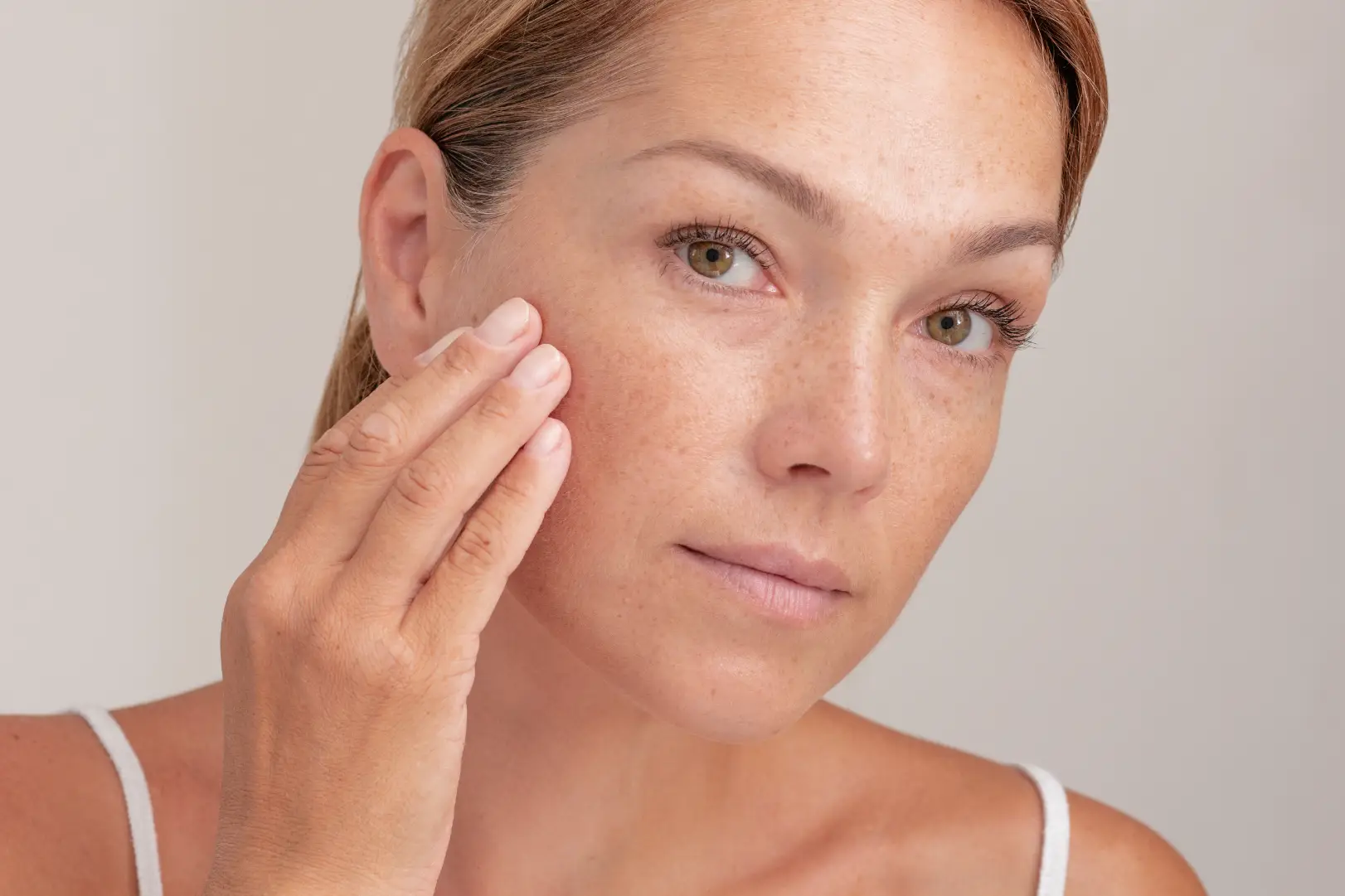
8. Think About Collagen, Too
Resurfacing isn’t only about what happens to the outermost skin. Collagen response is another reason patients consider laser treatment. Halo delivers energy into deeper layers while also addressing outer damage. That controlled treatment stimulates the skin’s healing process and new collagen production.
This makes Halo relevant when the concern includes both visible surface changes and signs of structural aging such as fine lines and wrinkles. Moxi can also support skin renewal through fractional laser energy, but its gentler treatment profile makes it particularly suited to lighter rejuvenation and maintenance.
The distinction isn’t that one “creates collagen” while the other doesn’t. It’s that their intensity, wavelengths, and treatment depths create different resurfacing experiences. For someone seeking a more comprehensive rejuvenation, Halo may fit better. For someone seeking gradual maintenance, Moxi may be enough.
9. Your Treatment History Matters
Someone who’s never had a laser treatment may have very different priorities from a patient who’s already comfortable with resurfacing. If you’re new to lasers and your concerns are mild, Moxi can offer an approachable starting point.
That’s consistent with The Medical Skin Clinic’s description of Moxi as a treatment option for people beginning their skincare journey. Patients who have more significant concerns or who are comfortable accepting additional recovery for a more intensive treatment may want to discuss Halo.
Previous treatments also matter. Tell your provider about recent chemical peels, microneedling, RF procedures, injectables, prescription skincare, or other laser treatments. Your skin needs adequate time to recover between procedures, and certain products may need to be adjusted around treatment.
More treatment isn’t always better. Good timing matters just as much as good technology.
Match the Laser to Your Skin
Moxi and Halo don’t need to compete for the title of better resurfacing treatment. Moxi offers a gentler approach that can fit early sun damage, fine lines, texture concerns, and ongoing maintenance, while Halo provides a more comprehensive hybrid treatment when the skin needs deeper and more visible correction.
At The Medical Skin Clinic in Nashua and Salem, NH, both options allow your treatment to follow your skin rather than forcing your skin into one standard approach. A personalized consultation can help determine whether Moxi’s lighter resurfacing or Halo’s deeper rejuvenation better matches your concerns, downtime preferences, and long-term goals.
Contact us today to book your consultation!