
Skin laxity rarely announces itself all at once. You may first notice that your jawline doesn’t look quite as defined in photos, or that the skin on your cheeks seems softer than it used to. Fine lines and uneven texture can join the picture, making a once-simple skincare concern feel more complicated. Morpheus8 addresses several of these changes by pairing microneedling with radiofrequency energy to stimulate collagen within deeper layers of the skin.
SkinPen offers another collagen-focused approach, but it works differently and may be better suited to other concerns. The Medical Skin Clinic offers both, which means the conversation doesn’t have to begin with choosing a favorite.
Keep reading to understand how each treatment works, where Morpheus8 stands apart, and which option may better fit what you’re seeing in the mirror.
Morpheus8 or SkinPen? Finding Your Match
The Morpheus8 vs. SkinPen decision becomes much easier once you stop thinking of both treatments as interchangeable forms of microneedling. They share a collagen-stimulating concept, but their technologies and treatment goals aren’t identical.
1. Start With How They Work
Traditional microneedling relies on controlled micro-injuries to activate the skin’s natural healing response. SkinPen uses fine needles to create these microscopic channels, which stimulates processes associated with new collagen and elastin production. Morpheus8 adds another component.
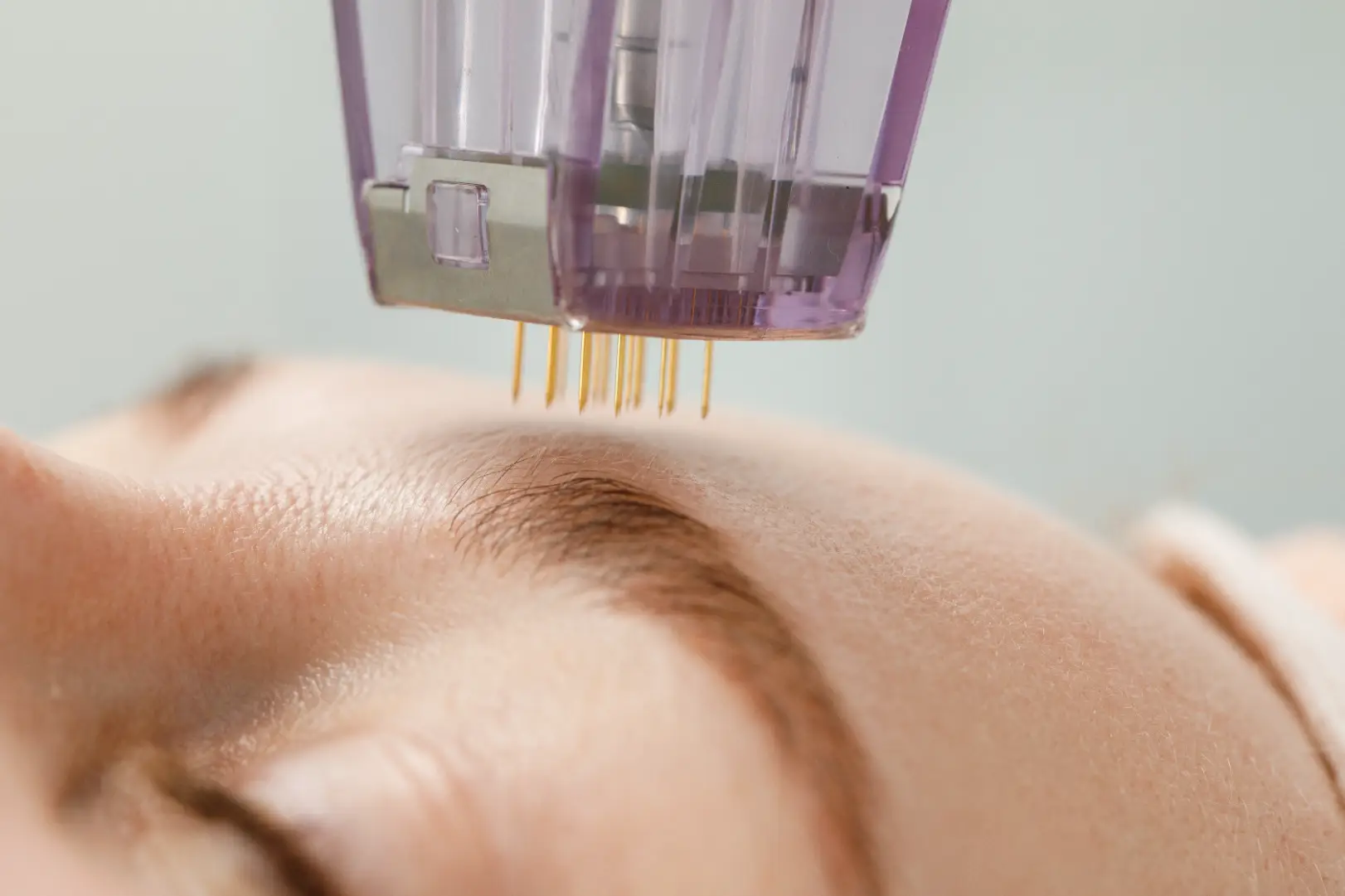
The device combines microneedling with radiofrequency energy delivered into targeted tissue. The Medical Skin Clinic describes Morpheus8 as a subdermal adipose microneedling device that works deeper within the skin to support fractional remodeling and contouring.
That difference is the foundation of the RF microneedling vs. microneedling conversation. SkinPen creates controlled mechanical micro-injuries. Morpheus8 combines controlled needling with thermal RF energy.
Neither mechanism makes one treatment automatically appropriate for everyone. It simply gives providers different tools for different skin concerns.
2. Choose Morpheus8 When Laxity Is the Bigger Concern
If your main complaint is that your skin looks looser rather than simply rough or uneven, Morpheus8 may deserve more attention. The combination of microneedling and radiofrequency is designed to stimulate collagen while remodeling tissue at deeper levels.
This makes Morpheus8 for skin tightening particularly relevant for patients bothered by laxity and changes in firmness. The Medical Skin Clinic uses Morpheus8 for concerns including:
- Skin laxity
- Wrinkles
- Uneven texture
- Acne scars
- Stretch marks
- Surgical scars
- Skin tightening
That broader range can make Morpheus8 appealing when several concerns overlap. A patient may not have only fine lines, for example. They might also notice softer contours and uneven texture.
Instead of viewing those concerns separately, RF microneedling can offer a more comprehensive approach when clinically appropriate.
3. Consider SkinPen When Texture Takes Center Stage
Not every patient needs radiofrequency energy. Sometimes the main objective is improving the appearance of skin texture through collagen induction. SkinPen is a microneedling device that uses fine needles to create controlled micro-injuries in the skin. Those micro-injuries stimulate the natural healing process and encourage collagen and elastin production.
At The Medical Skin Clinic, SkinPen is used for concerns such as wrinkles and laxity, sun damage, hyperpigmentation, thin-looking skin, enlarged pores, uneven tone and texture, and acne scarring. This makes SkinPen for acne scars a worthwhile option to discuss, particularly when scarring or texture is the primary concern rather than deeper tissue remodeling.
Acne scars also vary considerably. Rolling, boxcar, ice-pick, raised, and pigmented marks don’t necessarily respond the same way. A provider should examine the type and depth of scarring before recommending microneedling or another treatment. The word “scar” alone isn’t enough to select the device.
4. Morpheus8 Goes Beyond Surface Texture
One reason Morpheus8 receives so much attention is that it isn’t limited to creating microchannels at the skin’s surface. Its radiofrequency component allows controlled thermal energy to be delivered into targeted tissue.
That creates a different treatment opportunity. For someone noticing early facial aging, the concern may include wrinkles and roughness alongside loss of firmness. Treating texture alone may not fully address what bothers them.
Morpheus8 is designed to stimulate collagen production within layers of the dermis while supporting remodeling and contouring. The treatment can also be used on appropriate body areas, which broadens its potential applications beyond facial rejuvenation.
This doesn’t mean Morpheus8 replaces surgery for significant skin laxity. It can’t remove large amounts of excess skin or reproduce the structural changes possible with a surgical lift. For mild to moderate concerns, however, its combination of microneedling and RF can make it an attractive non-surgical option.
5. SkinPen Keeps the Approach Simpler
There’s value in treatment that does exactly what your skin needs without adding technology that isn’t necessary. SkinPen follows the principles of collagen induction therapy. Fine needles create controlled micro-injuries, and the body’s healing response does the rest of the work.
For patients focused largely on surface quality, pores, acne scarring, or uneven texture, that straightforward approach may be enough. SkinPen doesn’t need to become Morpheus8 to be useful. This is why asking for the best microneedling treatment without explaining your concern doesn’t give a provider enough information.
The better question is: What am I actually trying to improve? Once that answer is clear, the treatment decision becomes much more personal and much less about choosing whichever device happens to be more technologically complex.
6. Morpheus8 Can Make Sense for Multiple Concerns
Real skin doesn’t always fit neatly into one category. You might have acne scars from your twenties, fine lines developing in your thirties or forties, and increasing laxity appearing at the same time. This is where Morpheus8 can become especially interesting.
The treatment’s combination of controlled micro-injury and radiofrequency energy allows it to address collagen remodeling from more than one direction. It may therefore be considered when texture, scars, wrinkles, and firmness are all part of the treatment goal.
A radiofrequency microneedling candidate still needs an individualized assessment. Skin type, treatment area, medical history, current skin condition, previous procedures, and expectations all matter.
More concerns also don’t automatically mean more aggressive treatment. Settings and treatment depth should be selected according to the individual rather than using the same protocol for everyone.
7. Both Treatments Need Recovery Time
Microneedling may be minimally invasive, but your skin still needs time to respond afterward. Temporary redness, swelling, tenderness, dryness, or sensitivity can occur. Morpheus8 adds radiofrequency energy to the procedure, so its post-treatment experience can differ from traditional microneedling.
The intensity of treatment can also influence how the skin looks and feels afterward. Patients should plan around important events instead of scheduling treatment immediately before a wedding, vacation, photo session, or other major occasion.
SkinPen also requires thoughtful timing. Creating controlled micro-injuries means the skin needs a recovery period even without the RF component. Your provider can explain what to expect based on the treatment settings and your individual plan. Following post-treatment skincare guidance is important as the skin heals.
8. Comfort Can Be Planned Around the Procedure
A treatment can be effective and still require a conversation about comfort. Needles entering the skin repeatedly aren’t something every patient approaches casually. The Medical Skin Clinic offers Pro-Nox as an option that may be discussed for patient comfort during treatments. Pro-Nox uses a patient-controlled mixture of nitrous oxide and oxygen.
This can be particularly helpful for patients who feel nervous about aesthetic procedures or who simply want to discuss ways to make the experience more manageable. Comfort options should be discussed during consultation rather than assumed.
What one patient needs can be very different from what another prefers. The same applies to both Morpheus8 and SkinPen. Treatment planning isn’t just about what happens to the skin. The patient’s overall experience matters too.
9. Neither Treatment Creates Overnight Collagen
Collagen remodeling is a biological process, not an instant cosmetic filter. Whether you choose Morpheus8 or SkinPen, your skin needs time to move through its natural response. Some early changes may be noticeable as the skin settles, but collagen-related improvement develops gradually. This makes patience an important part of either treatment.
It also explains why a series of sessions may sometimes be recommended. The appropriate number depends on the treatment, concern, response, and provider’s assessment. Patients with deeper acne scars may follow a different plan from someone seeking general rejuvenation.
Likewise, a Morpheus8 patient focused on laxity may have different needs from someone using RF microneedling primarily for texture. Rather than chasing an arbitrary number of sessions, focus on how your skin responds over time.
10. Your Skin Concern Should Make the Final Call
The most useful way to compare these treatments is to return to the reason you started looking at microneedling in the first place. If you’re primarily bothered by acne scarring, enlarged pores, uneven texture, or general skin quality, SkinPen may be worth considering. Its controlled microneedling approach stimulates collagen without adding RF energy.
If laxity, wrinkles, deeper remodeling, or contouring are higher priorities, Morpheus8 may offer advantages because radiofrequency energy becomes part of the treatment. There can also be overlap. Both treatments may be considered for certain wrinkles, scars, and textural concerns. That’s why an either-or comparison on paper can only go so far.
Seeing the skin in person gives a provider much more information than a list of symptoms ever could.

Choose the Treatment That Fits Your Skin
The Morpheus8 vs. SkinPen conversation isn’t about declaring one form of microneedling universally superior. SkinPen offers a traditional collagen-induction approach for concerns such as texture, pores, acne scarring, and signs of aging, while Morpheus8 adds radiofrequency energy for patients who may benefit from deeper remodeling, tightening, and contouring.
At The Medical Skin Clinic in Nashua and Salem, NH, patients can explore both options instead of guessing which technology their skin needs. A personalized assessment can help determine whether traditional microneedling or Morpheus8 better matches your concerns, comfort preferences, and long-term skin goals.
Call us today to book your appointment!