
A mirror can be brutally honest. One day, you notice faint expression lines when you smile. A few months later, those lines linger even when your face is at rest. The soft crease between your brows begins to look permanent. You feel vibrant, capable, and confident—yet your reflection tells a slightly different story.
That disconnect is often what brings people to consider Botox®.
Botox® has become one of the most popular non-surgical cosmetic treatments in the world, and for good reason. When done correctly, it can soften wrinkles, refine facial expressions, and help patients look rested rather than overdone. But when done poorly, or carelessly, it can lead to what everyone fears: Botox® gone wrong.
And here’s something most people don’t realize: the biggest Botox® mistakes don’t always show up immediately. Some appear subtly over time, affecting facial balance, symmetry, and even long-term muscle behavior.
If you’re considering Botox®, or already getting it, keep reading. Understanding how to avoid common Botox® mistakes could make the difference between elegant, natural results and outcomes you regret.
What Botox® Can Treat
Before discussing mistakes, it’s important to understand how versatile Botox® truly is. When administered correctly, it is a refined tool that addresses multiple aesthetic and functional concerns.
- Forehead Lines. Horizontal forehead lines form from years of raising your brows in surprise or emphasis. Botox® gently relaxes the frontalis muscle, smoothing those creases while maintaining natural expression when expertly placed.
- Glabellar Lines (“11s”). The vertical lines between the brows can create a stern or tired appearance. Targeted Botox® injections relax the corrugator muscles, softening this area without freezing the face.
- Crow’s Feet. Fine lines at the outer corners of the eyes deepen with smiling and squinting. Botox® reduces repetitive muscle contraction, helping the eyes look refreshed without diminishing warmth.
- Bunny Lines. These small wrinkles on the bridge of the nose can appear when smiling or scrunching the face. Precise treatment refines the area subtly and elegantly.
- Lip Flip. A small amount of Botox® can relax the upper lip muscle, allowing it to gently roll outward for a fuller appearance without filler.
- Chin Dimpling. Overactive mentalis muscles can create a pebbled chin texture. Botox® smooths this area for a softer profile.
- Masseter Reduction. Botox® can slim the lower face by relaxing enlarged jaw muscles caused by clenching or grinding.
- Hyperhidrosis (Excessive Sweating). Botox® blocks nerve signals responsible for overactive sweat glands, offering relief in areas like underarms.
- Preventative Botox®. Younger patients increasingly use small, strategic doses to slow the formation of deep-set lines before they become etched.
We offer Botox® as part of a tailored aesthetic approach, always prioritizing harmony and subtle refinement.
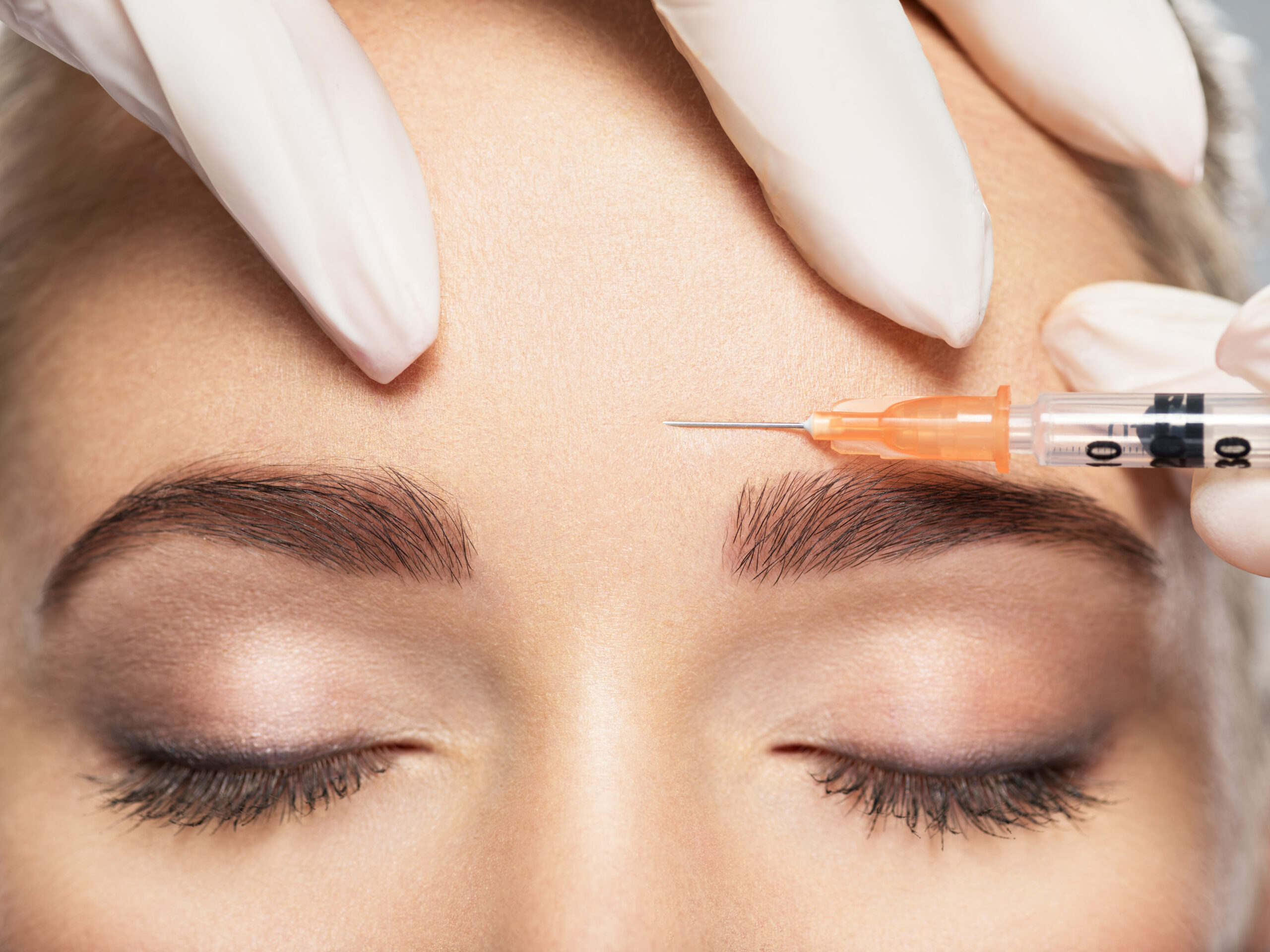
What Is Botox®?
Botox® is a purified form of botulinum toxin type A. While the word “toxin” may sound alarming, in medical aesthetics it is used in extremely small, controlled doses.
Botox® works by temporarily blocking nerve signals that tell muscles to contract. When targeted muscles relax, the skin above them smooths out. Over time, reducing repetitive muscle movement not only softens existing wrinkles but can help prevent deeper lines from forming.
The treatment typically takes 15 to 30 minutes, requires no downtime, and results appear gradually over several days. Effects generally last three to four months, depending on individual metabolism and treatment area.
When placed with expertise, Botox® enhances facial balance. When placed incorrectly, however, it can result in Botox® side effects, asymmetry, or even long-term muscle changes.
6 Botox® Mistakes and How to Avoid Them
Botox® complications rarely happen because of the product itself. The molecule is highly studied, FDA-approved, and remarkably safe when used correctly. The problems arise from poor judgment, inadequate training, rushed consultations, and injectors who treat faces like flat surfaces instead of living, dynamic anatomy.
A face is not a canvas for shortcuts. It is a layered structure of muscles, fat pads, ligaments, bone, and skin—each moving in coordination. When Botox® is placed with intention, it enhances that harmony. When it is placed carelessly, it disrupts it.
Here are the most common Botox® errors and how to avoid them with discernment and confidence.
1. Choosing Price Over Experience
This is the most common and most preventable mistake. Botox® pricing varies for a reason. An injector with advanced training, deep anatomical knowledge, and years of aesthetic experience will charge differently than someone newly certified after a weekend course. Discounted Botox® may mean overly diluted product, imprecise dosing, or high-volume, rushed treatments.
Improper dilution can cause results to fade quickly. Poor placement can create asymmetry or unnatural muscle compensation. In some cases, “cheap Botox®” ends up costing more in corrective treatments later.
How to avoid it: Select a provider based on expertise, credentials, and aesthetic philosophy—not price alone. A refined result reflects precision, not promotion.
2. Over-Treating the Forehead
A completely frozen forehead is not elegant. It eliminates movement entirely, which may sound appealing at first until the brows begin to feel heavy or the upper eyelids look hooded.
The forehead muscle (frontalis) is responsible for lifting the brows. If it is over-relaxed without supporting balance from the glabella, the brows can descend. This is one of the most visible Botox® side effects when technique lacks restraint.
Over time, excessive treatment may also weaken the muscle disproportionately, subtly altering facial dynamics.
How to avoid it: Ask for balanced dosing that respects brow position. Subtle Botox® allows soft movement while smoothing lines. True sophistication lies in refinement, not rigidity.
3. Ignoring Facial Balance
Faces are symphonies of movement. Treating one muscle group without considering its counterpart often leads to compensation elsewhere.
For example, relaxing the “11” lines without accounting for the forehead muscle can cause the outer brows to lift excessively, creating a surprised or overly arched appearance. Likewise, neglecting lateral forehead fibers can leave visible ridges.
When injectors chase individual wrinkles instead of studying overall movement patterns, imbalance follows.
How to avoid it: Choose a provider who evaluates the entire upper face during animation. Botox® should harmonize muscle groups, not isolate them.
4. Injecting Too Low on the Forehead
Placement depth and height matter more than most patients realize. Injecting too low on the forehead can weaken the fibers responsible for brow elevation, leading to heaviness or even partial brow ptosis (drooping). This complication may last several months and cannot be easily reversed.
The forehead muscle fans upward in layers. Understanding that anatomy determines where and how Botox® is delivered safely.
How to avoid it: Work with an injector who understands muscle origin, insertion, and vector forces. Precision placement prevents avoidable Botox® risks.
5. Chasing Trends Instead of Personal Anatomy
Social media has glamorized injection patterns that may not suit individual faces. “Baby Botox®,” dramatic brow lifts, or ultra-smooth glass foreheads are not universally flattering.
Faces vary in bone structure, muscle strength, and aging patterns. Applying a trendy injection map to every patient increases the risk of unnatural results. Trends fade. Anatomy does not.
How to avoid it: Opt for customized treatment. Your injector should tailor placement to your facial structure, not replicate a viral template.
6. Not Disclosing Medical History
Botox® is safe, but it is still a medical procedure. Certain medications (like blood thinners), neuromuscular conditions, prior facial surgeries, or even recent dental procedures can influence outcomes.
Failure to disclose relevant history may increase bruising or affect muscle response. Some patients also metabolize neuromodulators differently, requiring adjustments over time.
How to avoid it: Be transparent during consultation. A reputable injector conducts a thorough medical review before treatment begins.

Confidence Without Compromise
Botox® can be transformative when approached thoughtfully. It can soften expression lines, prevent deeper wrinkles, and maintain youthful energy in your appearance.
But avoiding Botox® gone wrong requires more than simply booking an appointment. It requires intention, education, and selecting a provider who prioritizes anatomy, artistry, and safety.
At The Medical Skin Clinic in Nashua and Salem, NH, Botox® is never rushed, overdone, or formulaic. Each treatment is designed with sophistication and clinical precision, reducing Botox® risks while delivering natural, balanced outcomes. Our philosophy is simple: refinement without excess, confidence without compromise.
If you’re considering Botox® or want to correct past treatment mistakes, there is a refined way forward.
Get in touch with us today to schedule your appointment!