
Turning 40 often brings changes that many men don’t expect. You may still feel motivated to stay active and productive, but your energy doesn’t seem to last as long. Workouts may feel more challenging, recovery takes longer, and maintaining muscle or a healthy weight can become increasingly difficult.
Some men also notice changes in their mood, mental focus, or sex drive, even though their daily routine hasn’t changed much. While these symptoms can have many possible causes, declining testosterone levels may be one factor worth discussing with a qualified healthcare provider.
For men diagnosed with low testosterone, testosterone replacement may help restore hormone levels to a healthy range and improve symptoms that affect daily life. When prescribed and monitored appropriately, treatment can support overall well-being while helping patients feel more like themselves again.
If you’ve been wondering whether low testosterone could be contributing to how you feel, keep reading. Understanding how testosterone replacement works and the benefits it may offer can help you have a more informed conversation with your healthcare provider.
What Is Testosterone Replacement?
Healthy testosterone levels support many important functions throughout the body. As shown in the reference image, testosterone replacement therapy (TRT) is a medical treatment designed to restore testosterone levels in men who have been diagnosed with clinically low testosterone.
The goal is to bring hormone levels back into an appropriate range while helping reduce symptoms associated with testosterone deficiency. Several treatment options are available, allowing providers to personalize therapy based on each patient’s health, lifestyle, and preferences.
What we offer here at The Medical Skin Clinic is testosterone pellet therapy. This treatment involves placing small, bioidentical testosterone pellets beneath the skin, typically in the hip area. The pellets gradually release testosterone into the bloodstream over approximately four to six months, providing steady hormone delivery that closely mimics the body’s natural production.
Compared with some treatment methods that require frequent dosing, pellet therapy offers consistent hormone delivery while reducing the peaks and troughs that some patients may experience with other forms of testosterone replacement.
Because every patient responds differently, your provider will recommend the treatment option that best aligns with your medical needs and treatment goals.
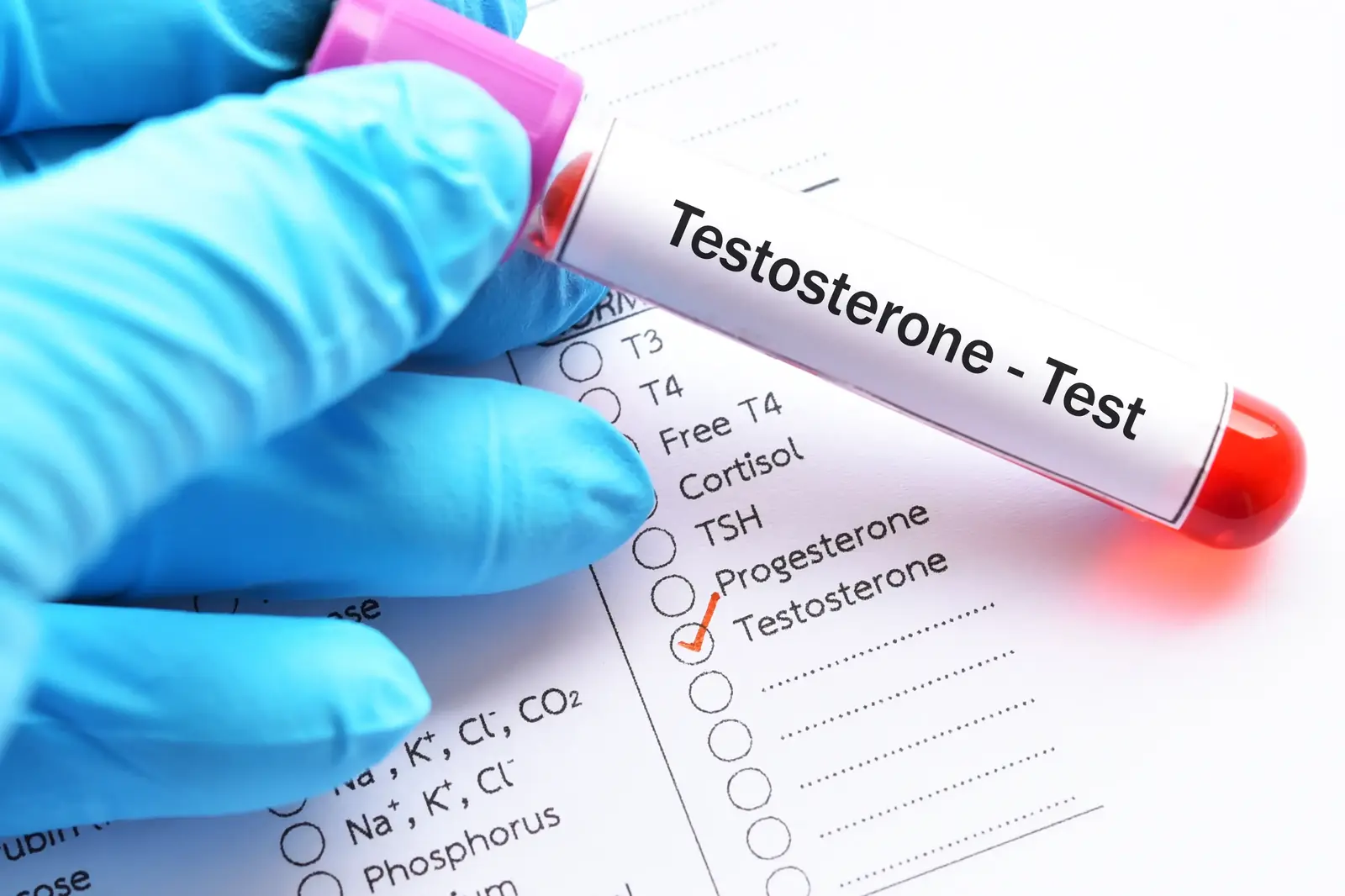
How Testosterone Replacement May Benefit Men Over 40
Low testosterone can affect several aspects of physical and emotional well-being. When testing confirms hormone deficiency, appropriately managed treatment may help improve symptoms while supporting a healthier quality of life.
1. More Consistent Energy
Feeling tired all the time isn’t always a normal part of aging. Many men with low testosterone describe persistent fatigue that doesn’t improve with adequate sleep or time off.
After beginning low testosterone treatment, some patients report having more consistent energy throughout the day, making it easier to stay productive at work, exercise regularly, and participate in activities they enjoy.
While treatment isn’t intended to eliminate normal tiredness, restoring healthy hormone levels may help reduce fatigue related to testosterone deficiency.
2. Improved Sexual Health
Hormones play an important role in sexual wellness. Low testosterone may contribute to:
- Reduced libido
- Decreased sexual interest
- Lower sexual satisfaction
For men whose symptoms are related to confirmed testosterone deficiency, testosterone replacement therapy (TRT) may help improve sexual desire as hormone levels stabilize. Because sexual health can also be influenced by medical conditions, medications, stress, and relationship factors, providers evaluate each patient carefully before recommending treatment.
3. Better Mood and Emotional Well-Being
Hormonal changes don’t only affect the body. Some men with low testosterone experience increased irritability, mood changes, or reduced motivation. Although testosterone replacement isn’t a treatment for depression or anxiety, appropriately managed therapy may help improve mood in men whose symptoms are associated with low testosterone.
Many patients simply describe feeling more like themselves again after hormone levels are restored.
4. Greater Support for Muscle Health
Maintaining muscle becomes more challenging with age. Even men who remain physically active often notice gradual declines in muscle strength and lean muscle mass after 40. Healthy testosterone levels support normal muscle maintenance.
When combined with regular resistance training, balanced nutrition, and healthy lifestyle habits, testosterone replacement may help support muscle retention and physical performance in men with documented hormone deficiency. Treatment works best as part of an overall wellness plan rather than as a substitute for exercise.
5. Easier Weight Management
Weight gain often becomes more noticeable during midlife. Hormonal changes, reduced muscle mass, slower metabolism, and lifestyle factors may all contribute to increasing body fat over time.
While testosterone replacement isn’t considered a weight-loss treatment, restoring healthy hormone levels may support body composition by helping preserve lean muscle mass, which plays an important role in metabolism.
Patients frequently achieve the best results when treatment is combined with:
- Regular physical activity
- Strength training
- Nutritious eating habits
- Adequate sleep
- Ongoing medical follow-up
6. Sharper Mental Focus
Many men describe changes in concentration before realizing hormones may be involved. Difficulty focusing during meetings, forgetting small details, or feeling mentally “foggy” can interfere with work and everyday responsibilities.
The reference image notes that cognitive decline is one symptom that may accompany low testosterone. For some men diagnosed with hormone deficiency, testosterone replacement may help improve mental clarity and focus as hormone levels stabilize.
Because memory and concentration can also be affected by many other health conditions, a comprehensive evaluation remains an important part of diagnosis.
7. It May Support Bone Health
Healthy testosterone levels contribute to more than energy and muscle; they also play a role in maintaining bone strength. As men age, declining testosterone may contribute to reduced bone density, increasing the risk of fractures over time. The reference image highlights bone density loss as one of the potential symptoms associated with low testosterone.
For men diagnosed with testosterone deficiency, testosterone replacement therapy (TRT) may help support bone health as part of a comprehensive treatment plan. While TRT is not a treatment for osteoporosis, maintaining healthy hormone levels can be one factor in supporting stronger bones alongside proper nutrition, weight-bearing exercise, and routine medical care.

8. Steady Hormone Levels Matter
One of the goals of testosterone replacement is to create stable hormone levels rather than allowing significant fluctuations. As shown in the reference image, testosterone pellet therapy provides a gradual release of testosterone directly into the bloodstream over approximately four to six months. This consistent delivery closely mimics the body’s natural hormone production.
Compared with some treatment methods that require frequent dosing, steady hormone delivery may help reduce the peaks and troughs that some patients experience. Many men appreciate the convenience of not having to remember daily applications or frequent treatments.
Feel Like Yourself Again at The Medical Skin Clinic
Growing older doesn’t mean you have to accept persistent fatigue, declining motivation, or changes in strength and vitality without exploring the underlying cause. For men diagnosed with hormone deficiency, testosterone replacement may help improve energy, support muscle health, stabilize hormone levels, and enhance overall well-being when carefully prescribed and monitored.
At The Medical Skin Clinic in Nashua and Salem, NH, every treatment plan is personalized to your unique health profile and goals. Whether you’re considering testosterone replacement therapy (TRT), learning about low testosterone treatment, or exploring options such as pellet therapy, injections, gels, or patches, the focus is on helping you make informed decisions that support your long-term health and quality of life.
Connect with us today to book your appointment!